The Historical Books
Nine books, one arc — Israel carried from the Jordan into the land, given kings, torn in two, exiled, and gathered home.
Framework
The shape of the arc
From Joshua to Esther the historical books tell one continuous story across roughly seven hundred years. It opens with the conquest — Joshua leads Israel over the Jordan and the land is allotted, and the book renders its own verdict: "There failed not aught of any good thing which Jehovah had spoken" (Josh 21:45). Then comes the long sag of the judges, a repeating cycle of apostasy, oppression, and rescue, closing on the refrain "every man did that which was right in his own eyes" (Jdg 21:25). Ruth is set inside this era — one quiet story of chesed, covenant loyalty, that carries the line toward David (Ruth 4:17).
The united kingdom follows: Samuel anoints Saul, then David, and the Davidic covenant is given (2 Sam 7:12-16). Solomon raises the temple around 966 BC (1 Ki 6:1) — the structural peak of the whole arc. After Solomon the kingdom divides in 930 BC (1 Ki 12), and from there the books track two thrones toward two falls. The narrative is built to be read as covenant history: obedience blesses, apostasy exiles, mercy returns. Sources: Scripture (ASV); Alfred Edersheim, Bible History: Old Testament (PD).
The divided kingdom and its prophets
After 930 BC the story runs on two tracks. The northern kingdom, Israel — ten tribes, capital Samaria — never produced a king Kings calls good; Jeroboam's golden calves at Bethel and Dan set the template (1 Ki 12:28). Assyria ended it in 722 BC, deporting the north (2 Ki 17:6). The southern kingdom, Judah — the Davidic line at Jerusalem — was kept for the sake of "a lamp" promised to David (1 Ki 15:4), and reformers like Hezekiah and Josiah delayed the reckoning, but Babylon burned the temple and carried Judah off in 586 BC (2 Ki 25:9).
One of the great payoffs of reading the historical books alongside the prophets is seeing where each prophet stood. Elijah and Elisha, then Amos and Hosea, preached to the north before 722. Isaiah and Micah preached to Judah in the eighth century; Jeremiah spoke into Jerusalem's final years. Kings and Chronicles narrate the throne; the prophetic books supply the courtroom speeches. The monarchy dates here follow Edwin Thiele's reconstruction of the reign synchronisms (The Mysterious Numbers of the Hebrew Kings), the standard chronology for the divided monarchy. Chronicles retells the same span with a priestly aim — rebuilding the returnees' identity around temple and David — which is purpose, not contradiction (2 Ch 36:22-23).
The exile and the return
The arc does not end in the ashes of 586 BC. The last movement of the historical books is the return — the golah, the exile community, coming home. It begins with the decree of Cyrus in 538 BC: "Jehovah, the God of heaven... hath charged me to build him a house in Jerusalem" (Ezr 1:2). The returnees come in waves. Zerubbabel rebuilds the altar and, by 516 BC, the second temple (Ezr 6:15). Ezra returns around 458 BC to recover the Law and reform the people (Ezr 7). Nehemiah raises Jerusalem's wall in fifty-two days around 445 BC (Neh 6:15).
Esther stands slightly apart — set in the Persian court under Ahasuerus (Xerxes) around 479 BC, among the Jews who did not return. God is never named in the book, yet the deliverance turns on Mordecai's line: "who knoweth whether thou art not come to the kingdom for such a time as this?" (Est 4:14). Together, Ezra-Nehemiah and Esther close the Old Testament's historical narrative on the same covenant note it began with — the God who exiles for apostasy also gathers home. Sources: Scripture (ASV); Edersheim, Bible History (PD); James Ussher, Annals (PD, early-date frame).
One story, nine books
From the Jordan to the rebuilt wall
The historical books carry Israel across seven hundred years on a single thread: a people brought into the land, given kings, torn in two, carried off, and gathered home. Read them in order and the covenant refrain runs straight through — obedience blesses, apostasy exiles, and mercy returns.
- 9narrative booksJoshua → Esther
- ~900years coveredconquest to the walls
- 722 · 586the two fallsSamaria, then Jerusalem
- 538the return beginsthe golah come home
Joshua closes the conquest
Not one word fell to the ground
There failed not aught of any good thing which Jehovah had spoken unto the house of Israel; all came to pass.The book's verdict on the land promise (Josh 1:6) — the ledger the rest of the arc is measured against.
The kingdom at its height
Solomon builds the house
The united monarchy peaks when Solomon raises the temple (1 Ki 6:1) — the structure the later books will grieve when it burns and celebrate when it rises again. The building is the pivot of the whole arc.

930 BC — the kingdom divides
Two thrones, and the prophets sent to each
The North — Israel
Ten tribes · Samaria · fell 722 BC
No good king; Jeroboam's calves set the pattern (1 Ki 12:28). Assyria ends it in 722 BC (2 Ki 17:6). The prophets who preached here:
The South — Judah
Davidic line · Jerusalem · fell 586 BC
The history of Israel is the history of a covenant, and its exile the working-out of that covenant's warnings — yet the same covenant held the promise of the return.
Alfred Edersheim· Bible History: Old Testament, 1876–87Public-domain source
2 Kings 25 · Ezra 1
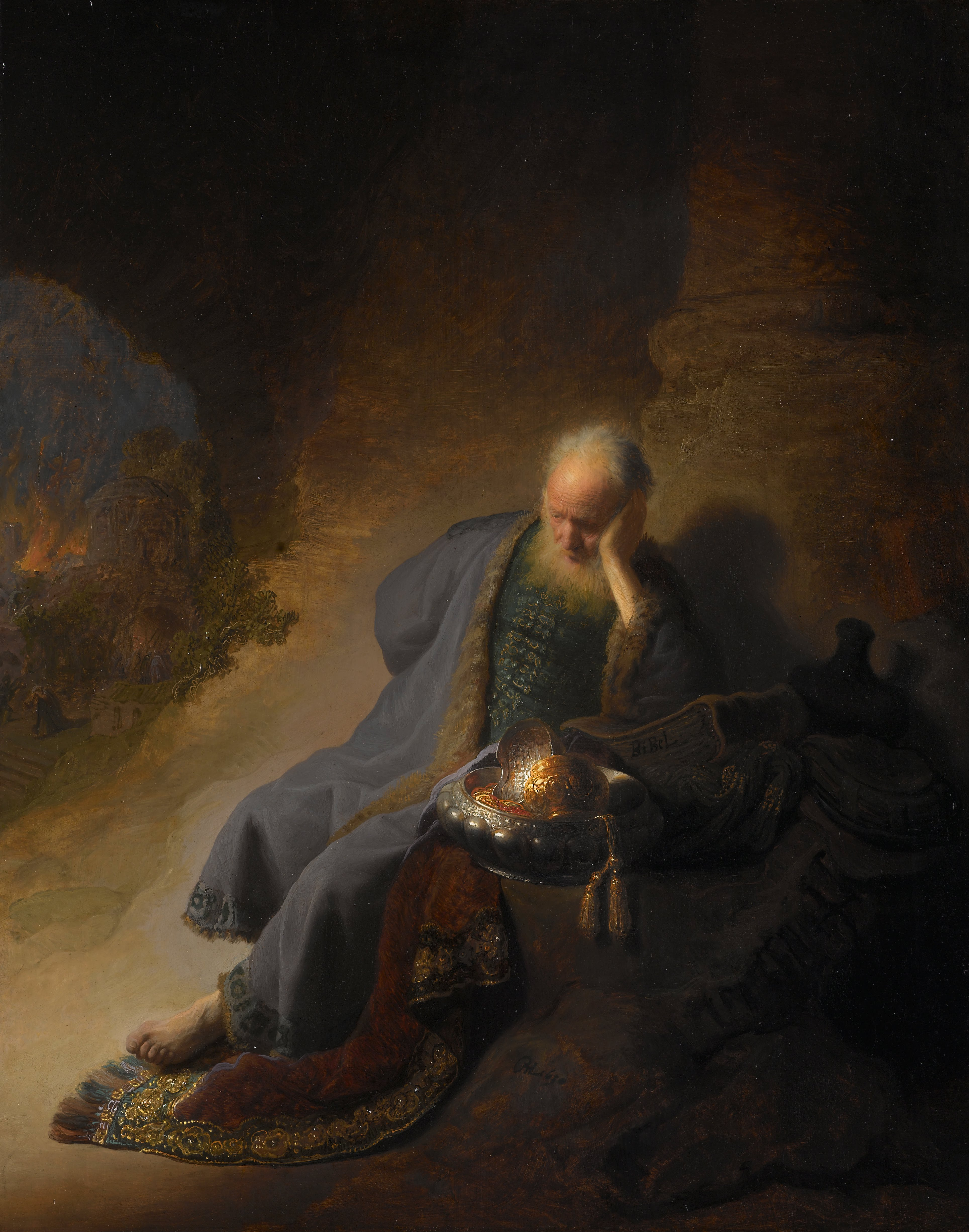
586 BC — the house burns
Jerusalem falls
538 BC onward — the golah come home
Four steps of the return
Cyrus's decree (Ezr 1:1) opens the last movement. The exiles come back in waves — first to rebuild the altar and temple, then to recover the Law, then to raise the wall — while Esther shows God's hidden hand over those who stayed.
step 2 of 4
Ezra — the Law and the people (458 BC)
Keep reading
Where this arc opens next
Lens
The structures lensSee the covenant cycle and the two-kingdom frame laid out across every historical book.Book
Ruth — the line to DavidOne quiet chesed story inside the judges chaos that carries the royal line forward.Chapter
The Davidic covenant2 Samuel 7 — the throne promise that outlasts both kingdoms and every exile.Book
Ezra — the return beginsThe decree of Cyrus, the second temple, and the community of the golah rebuilt.